
Museum of Technological
Antiquities
Step back in time and explore iconic computers and equipment that helped shape the digital world. Free to visit. Located inside our shop at 2744 West 4th Ave.
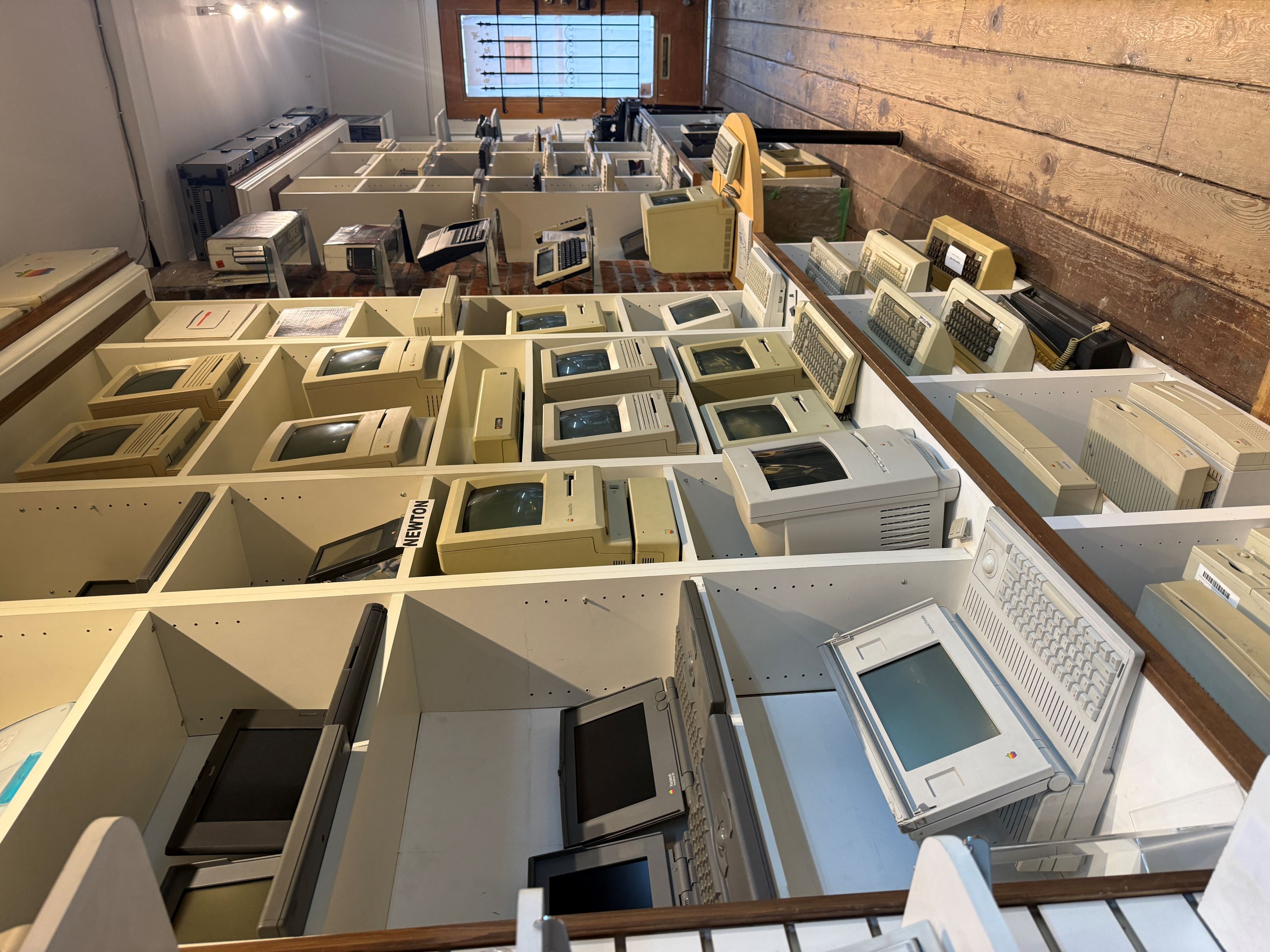
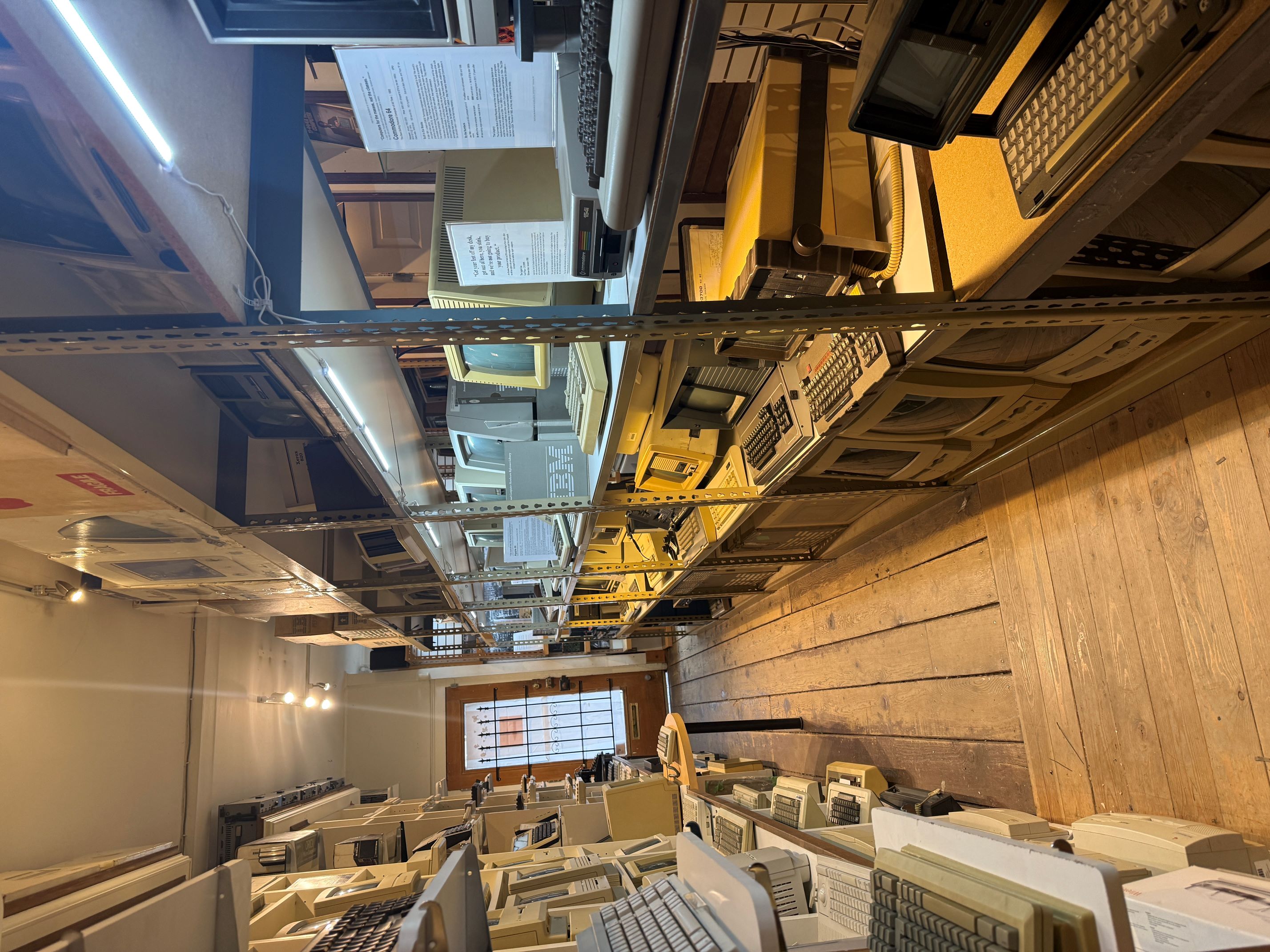
The museum occupies the rear of our Kitsilano shop — floor to ceiling, on both sides.
Decades of collecting,
on permanent display.
Our collection is a curated walk through the history of personal computing — from early hobbyist machines to the classics that made computers mainstream.
Come explore the stories behind these machines, see the hardware up close, and book a guided tour if you want the full narrative.
always
by appointment
buying since
Notable Exhibits
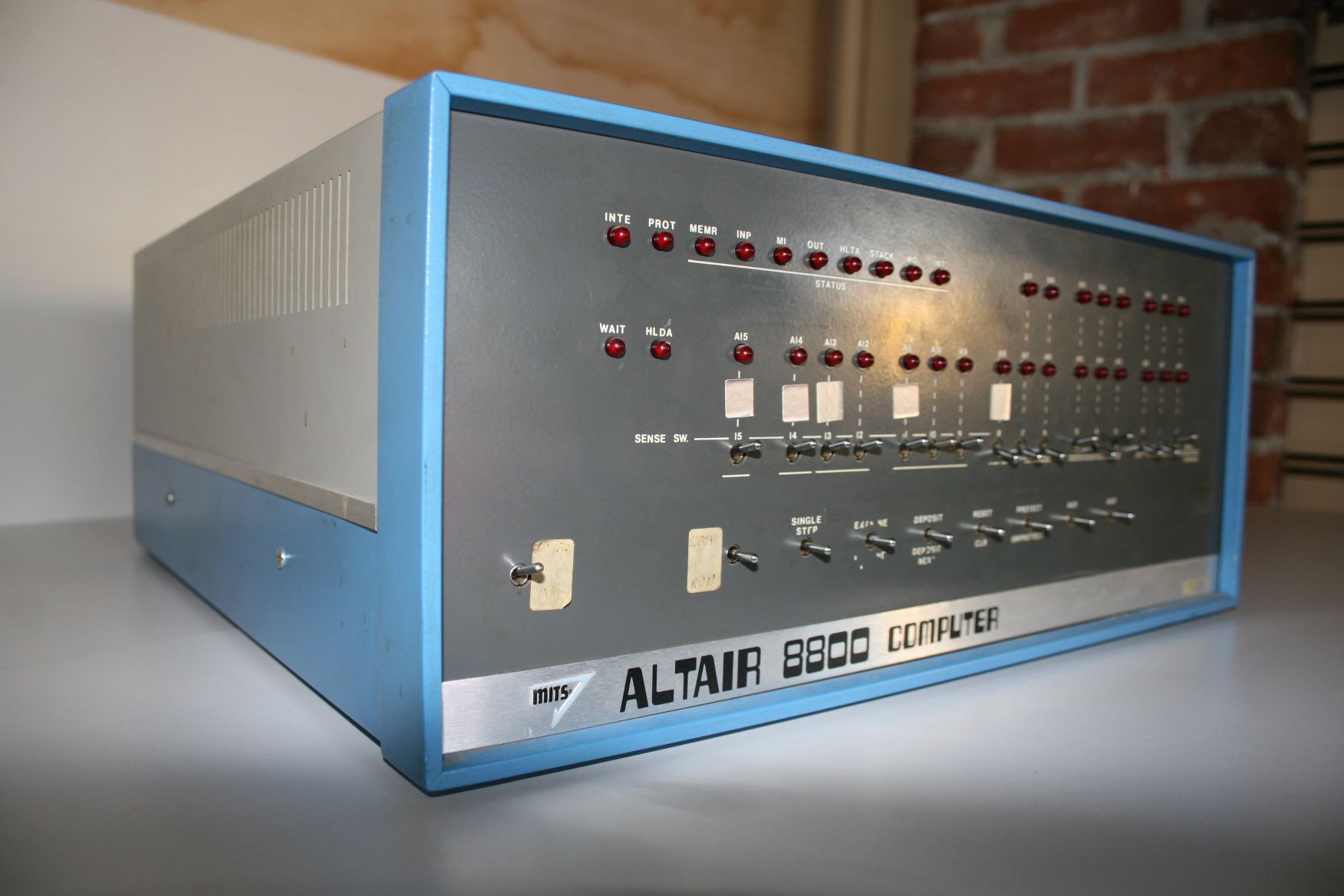
MITS Altair 8800
The computer that launched the personal computing revolution
Ed Roberts hoped to sell a few hundred kits. Instead, he received thousands of orders within weeks. The Altair had no keyboard and no screen — users programmed it by flipping switches in binary. The LEDs showed the result. It was magnificent and almost completely useless — and people could not get enough of it.
When Paul Allen showed that magazine cover to Bill Gates at Harvard, they bluffed that they had a working BASIC interpreter, then spent eight sleepless weeks writing one. Allen flew to Albuquerque to deliver it on paper tape. Gates dropped out. They called their company Micro-Soft.
Sol-20
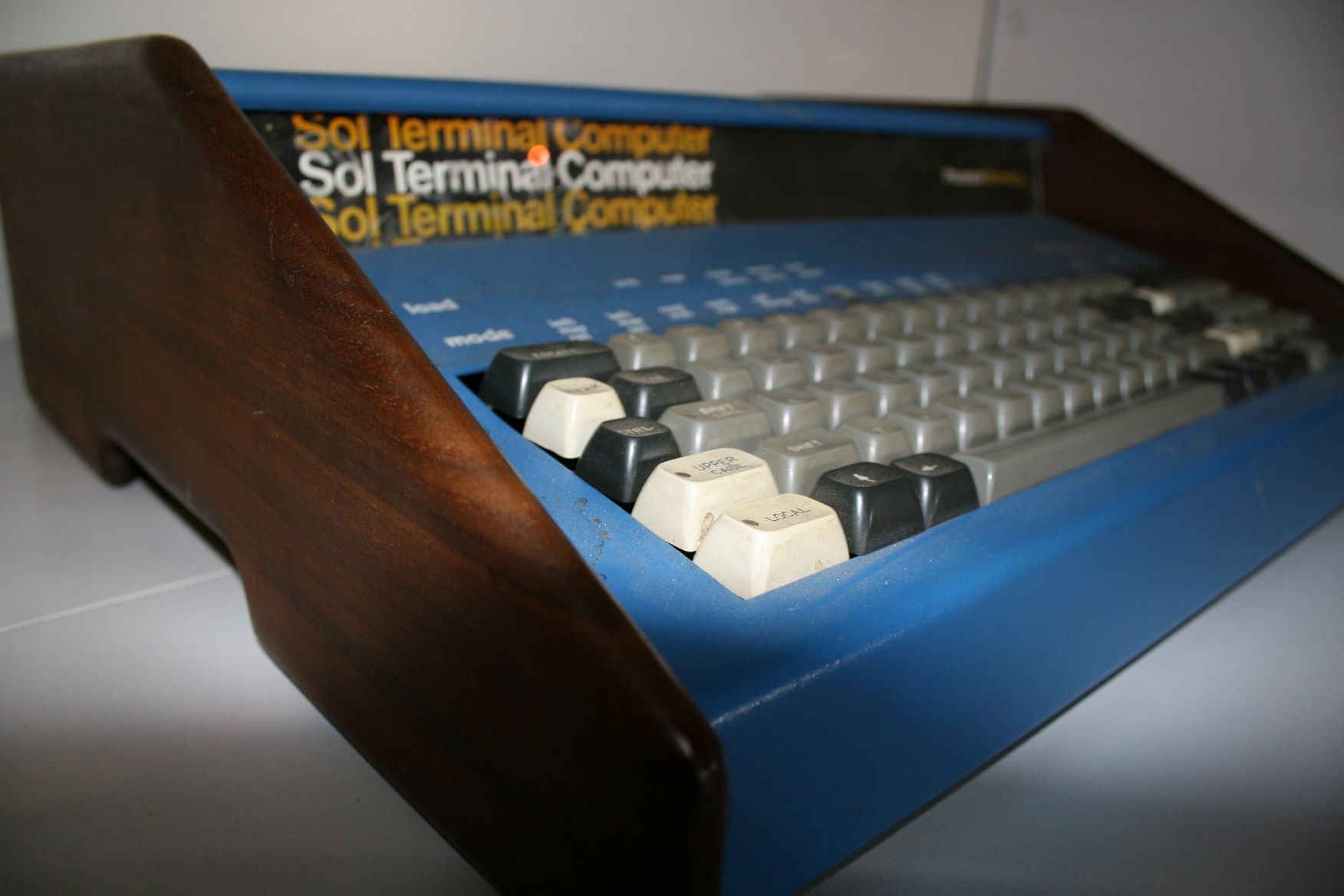
By Processor Technology — one of the first personal computers
The SOL-20 launched at the dawn of the personal computing era. Its designer, Lee Felsenstein — president of the legendary Homebrew Computer Club — originally envisioned it as a simple terminal. The company's name was likely drawn from the biblical "Wisdom of Solomon," though as Gregory notes, given the difficulty of getting this particular machine to work, SOL could easily stand for something else entirely.
Felsenstein, who also created the Osborne 1 five years later, had planned three versions: the SOL-10, the SOL-20, and the Sol-PC. It remains unclear whether the other two were ever produced. Approximately 10,000 SOL-20s were manufactured.
Commodore PET 2001
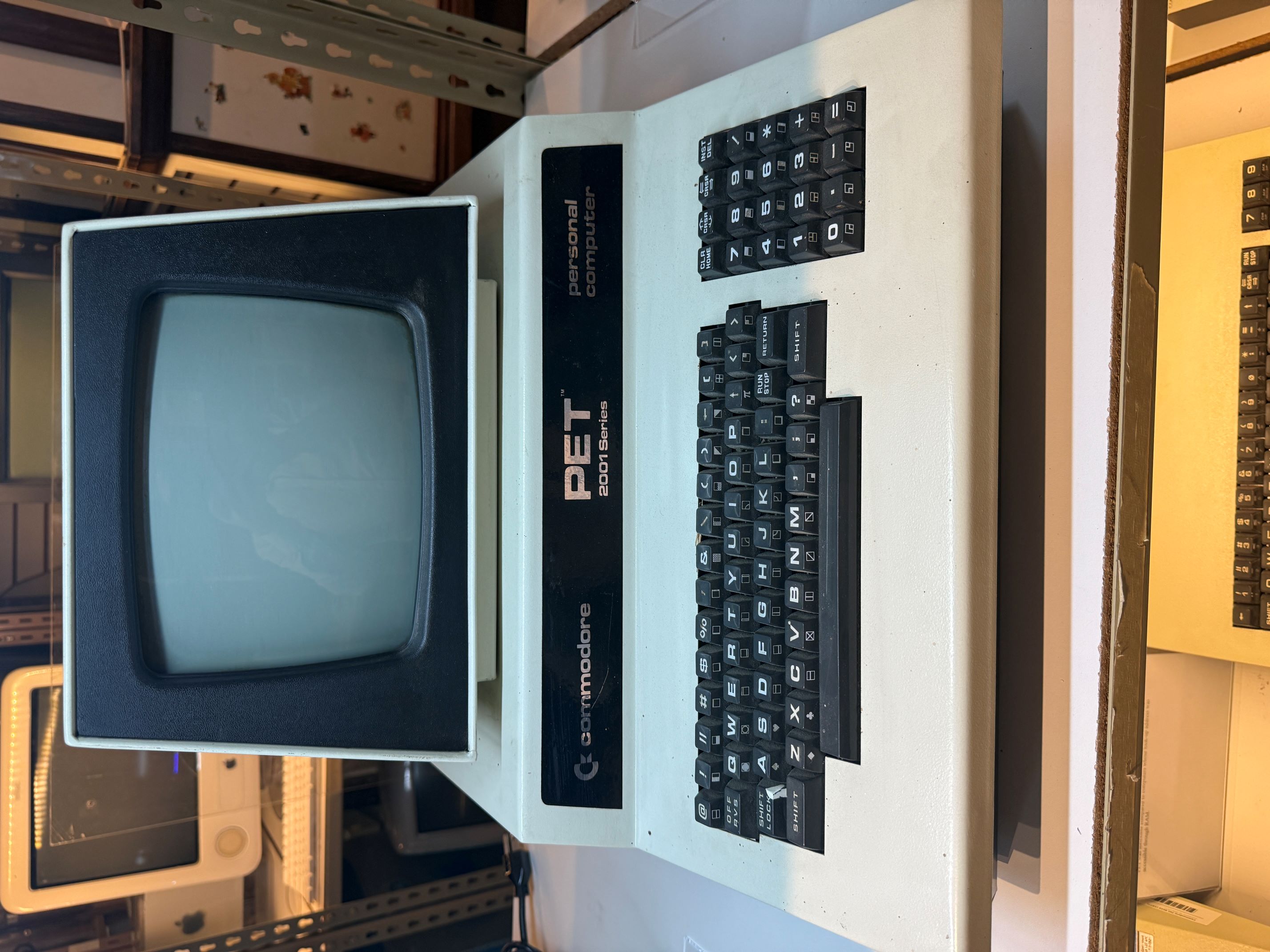
The world's first all-in-one personal computer
The prototype shown at CES in January 1977 had a chassis made of wood, painted yellow to look like metal, with monitors stripped from Zenith TVs bought on sale for $89.95 each. The "2001" was a deliberate nod to Kubrick's HAL 9000 — the PET logo even used the same Microgramma typeface. The crowd had never seen anything like it: a complete computer with built-in screen, storage, and keyboard all in one unit.
The PET was one of three machines — alongside the Apple II and TRS-80 — that launched the personal computer industry in 1977. It dominated North American schools through the early 1980s. Over 219,000 units were sold.
Commodore PET 4016
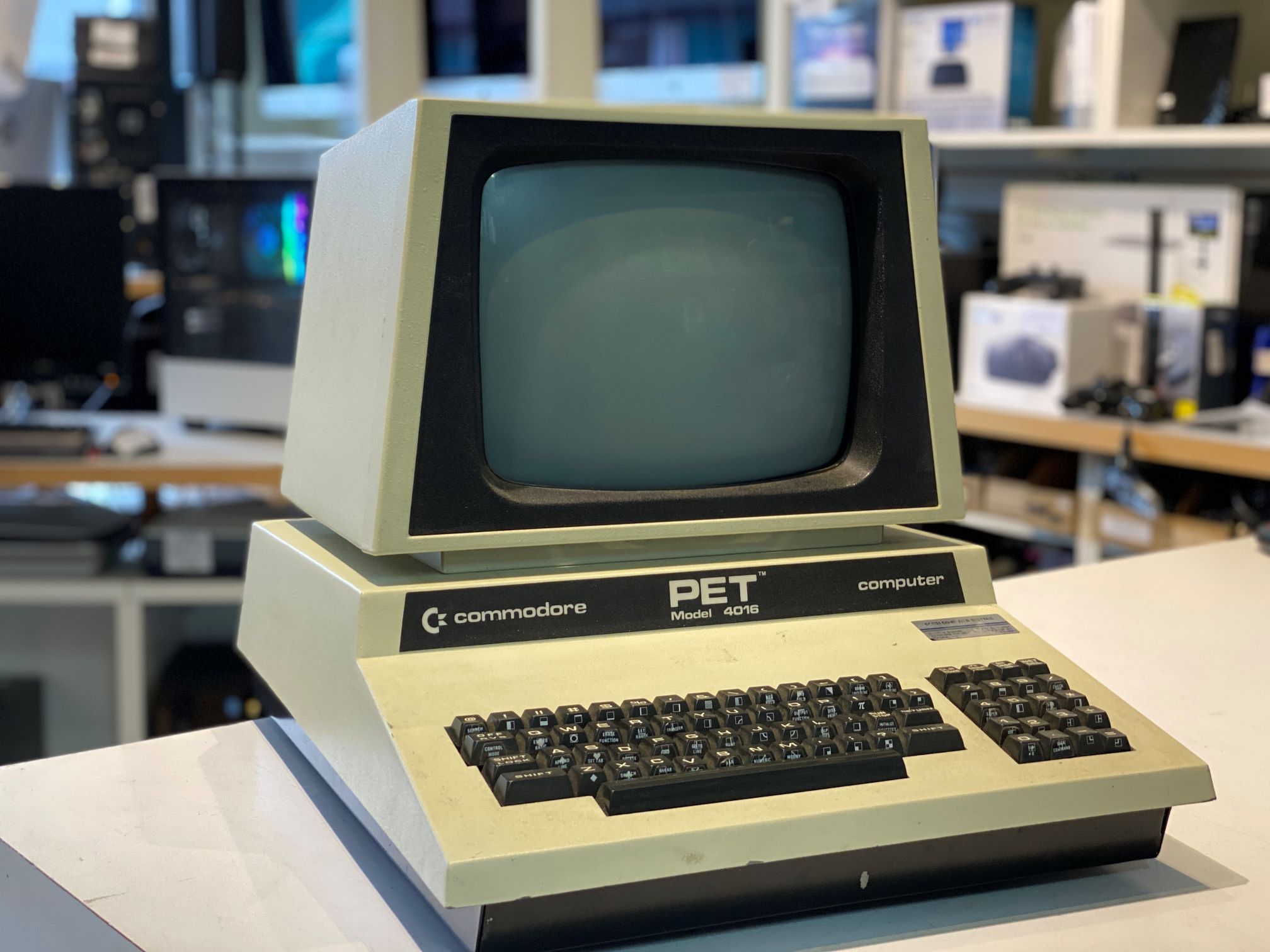
The school-proof Commodore with the keyboard that actually worked
The 4016 was the second-generation PET, featuring a dramatically improved keyboard to replace the original's notorious "chiclet" keys that made touch typing impossible. Its sturdy all-in-one metal case made it a huge success in schools across North America.
The IEEE 488 port was revolutionary but underutilized — it could create a simple local area network to share printers and disk drives among all the machines in a classroom. However, the PET's graphics capabilities were limited because the character set was hardwired in ROM, giving Apple and Atari the edge in homes where sound and visuals mattered.
Apple III
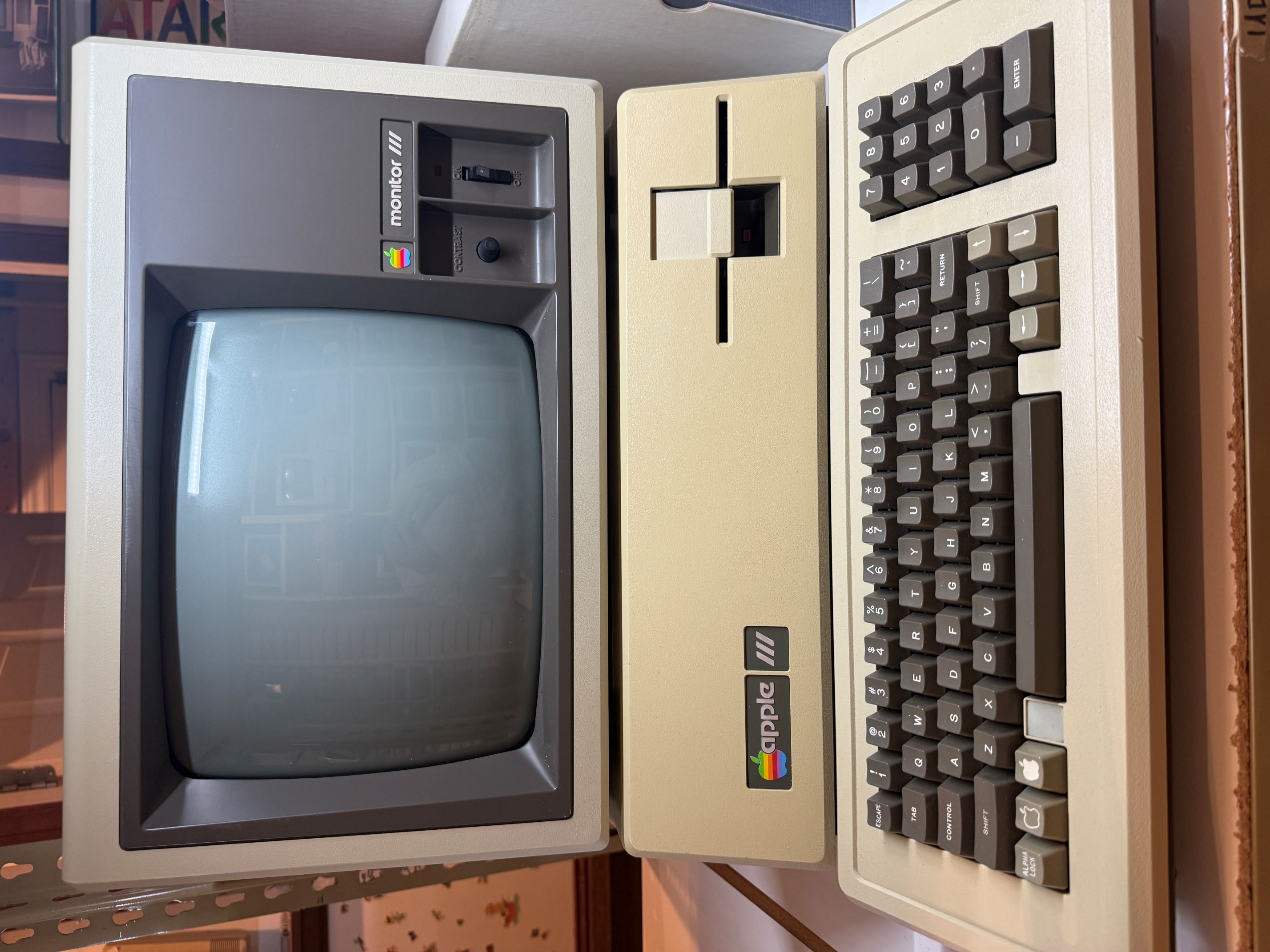
Apple's first great failure
Steve Jobs wanted it to run silently, so he insisted on no cooling fan and no air vents. The heavy aluminium chassis was supposed to dissipate heat through convection. It was not enough. Chips expanded and popped loose from their sockets. Floppy disks occasionally melted inside the drive.
Apple's official fix? Lift the computer two inches above the desk and drop it to reseat the chips. All 14,000 first-run units were recalled. IBM shipped the PC 5150 while Apple was still apologizing. The failure taught Apple that design cannot override engineering — a lesson it would revisit with the butterfly keyboard thirty years later.
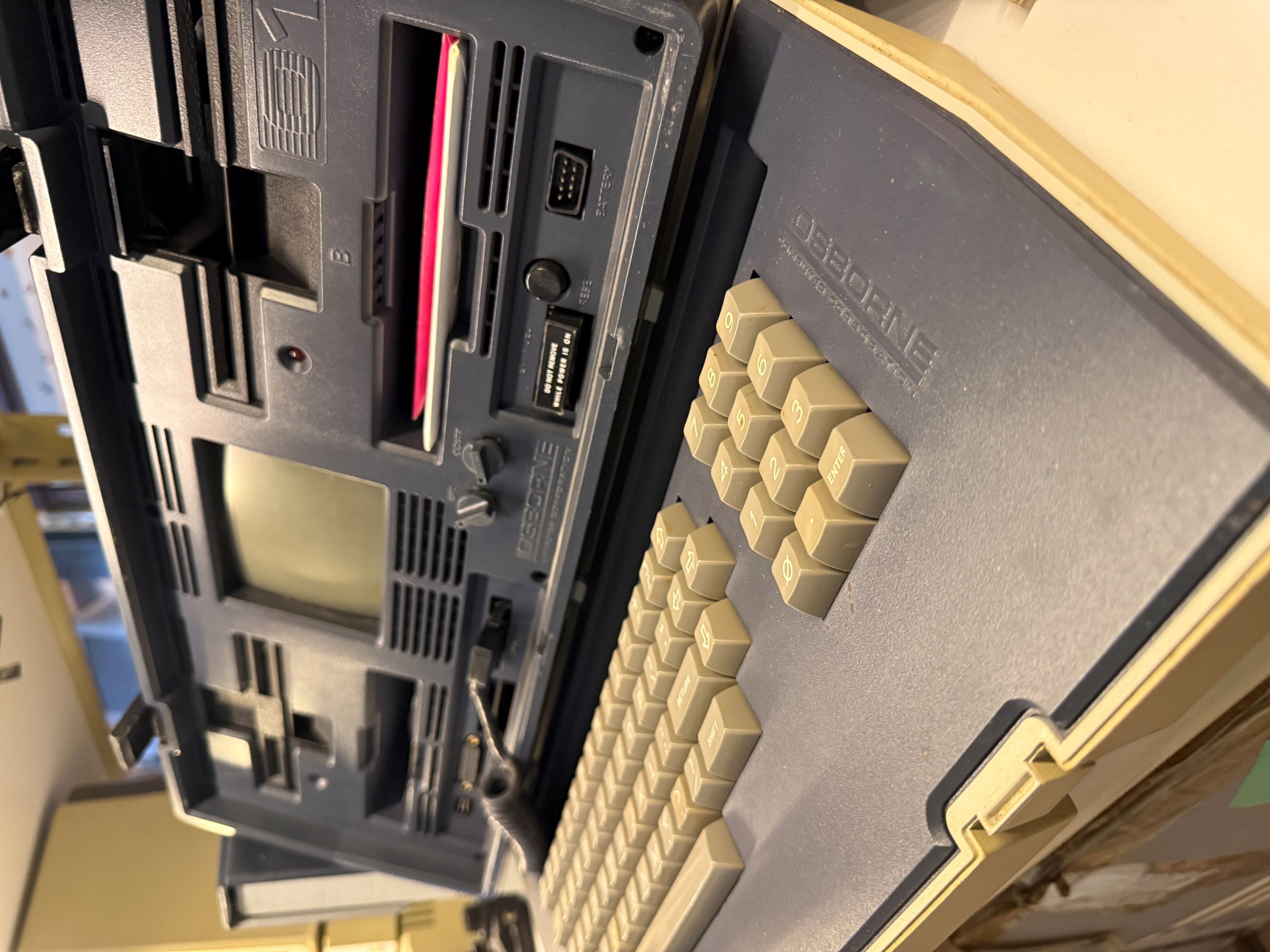
Osborne 1
The first commercially successful portable computer
Designed by Lee Felsenstein — the same engineer who built the Sol-20 — the Osborne 1 was the first truly portable computer. At 24.5 pounds, "portable" was generous, but it was a genuine suitcase-sized machine with a built-in 5-inch screen, twin floppy drives, and a full keyboard that doubled as the case lid. It launched at $1,795 with $1,500 worth of bundled software.
The Osborne 1 is one of Gregory's founding machines — it was among the items from his own closet that stocked PC Galore's first shelves on opening day in 1994.
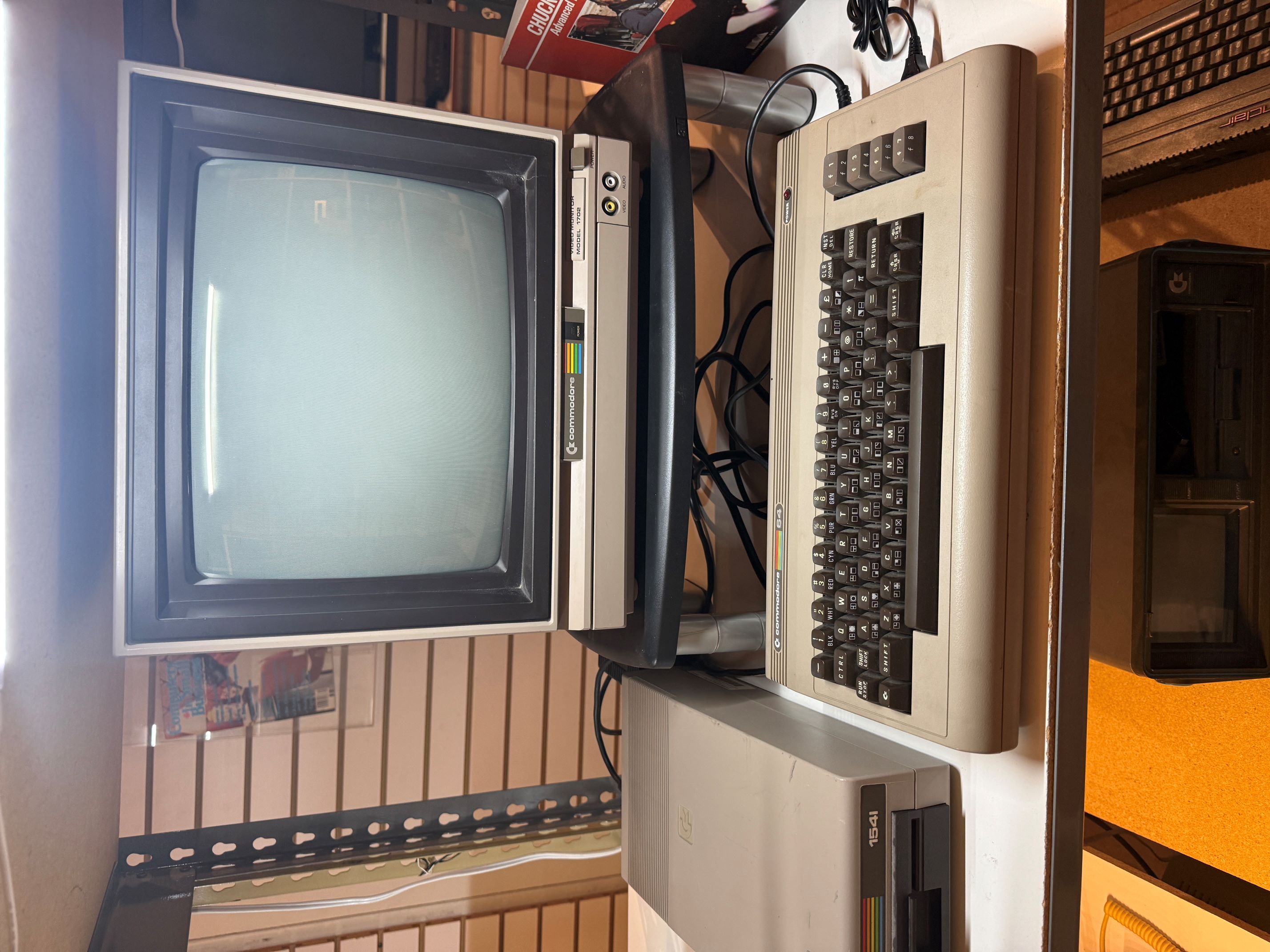
Commodore 64
Guinness World Record: the best-selling single computer model of all time
Over 30 million units sold during its production run. Unlike other computers, the C64 was sold in retail stores — not electronics shops — and could plug directly into a television to play games, giving it the appeal of a dedicated console like the Atari.
The C64 is arguably the easiest-to-use programmable computer ever made. It booted to a friendly BASIC screen ready for instruction. If writing programs was too daunting and loading software from cassettes was "just too much," you could jam a cartridge in the back and the machine instantly did whatever you wanted.
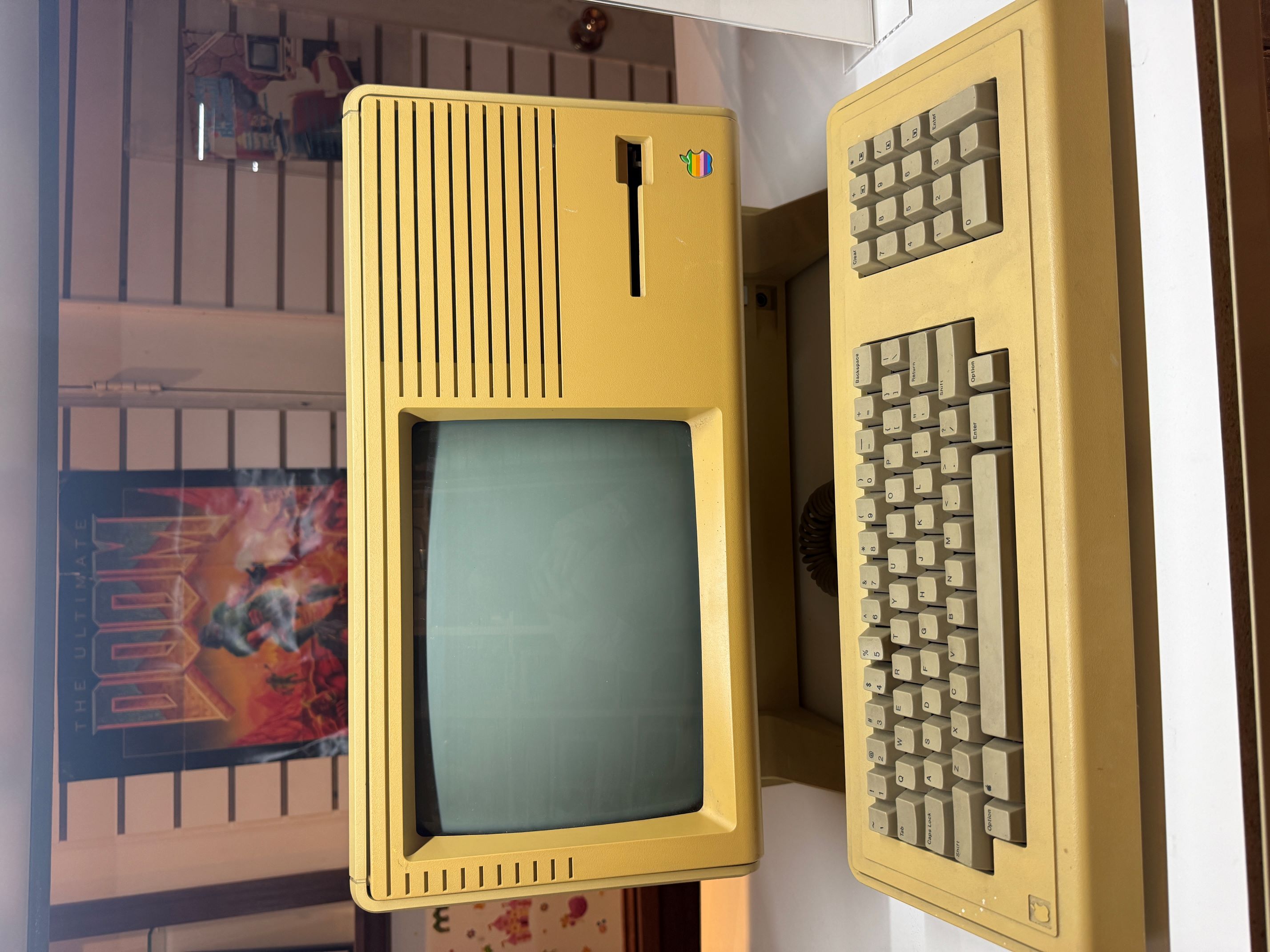
Apple Lisa
The GUI that started it all
If you use a computer with a mouse and pull-down menus, you owe it to this machine. "Lisa" stood for "Local Integrated Software Architecture" — but it was also the name of Steve Jobs' daughter. The Lisa was the first commercial computer with a graphical user interface. Prior to it, every computer was text-based.
At $9,995, the Lisa was devastatingly expensive. Apple chose to develop the cheaper Macintosh instead, discontinuing the Lisa in January 1985 after selling roughly 65,000 of the 90,000 manufactured. Rumour has it the remaining units are buried somewhere in an Arizona desert.
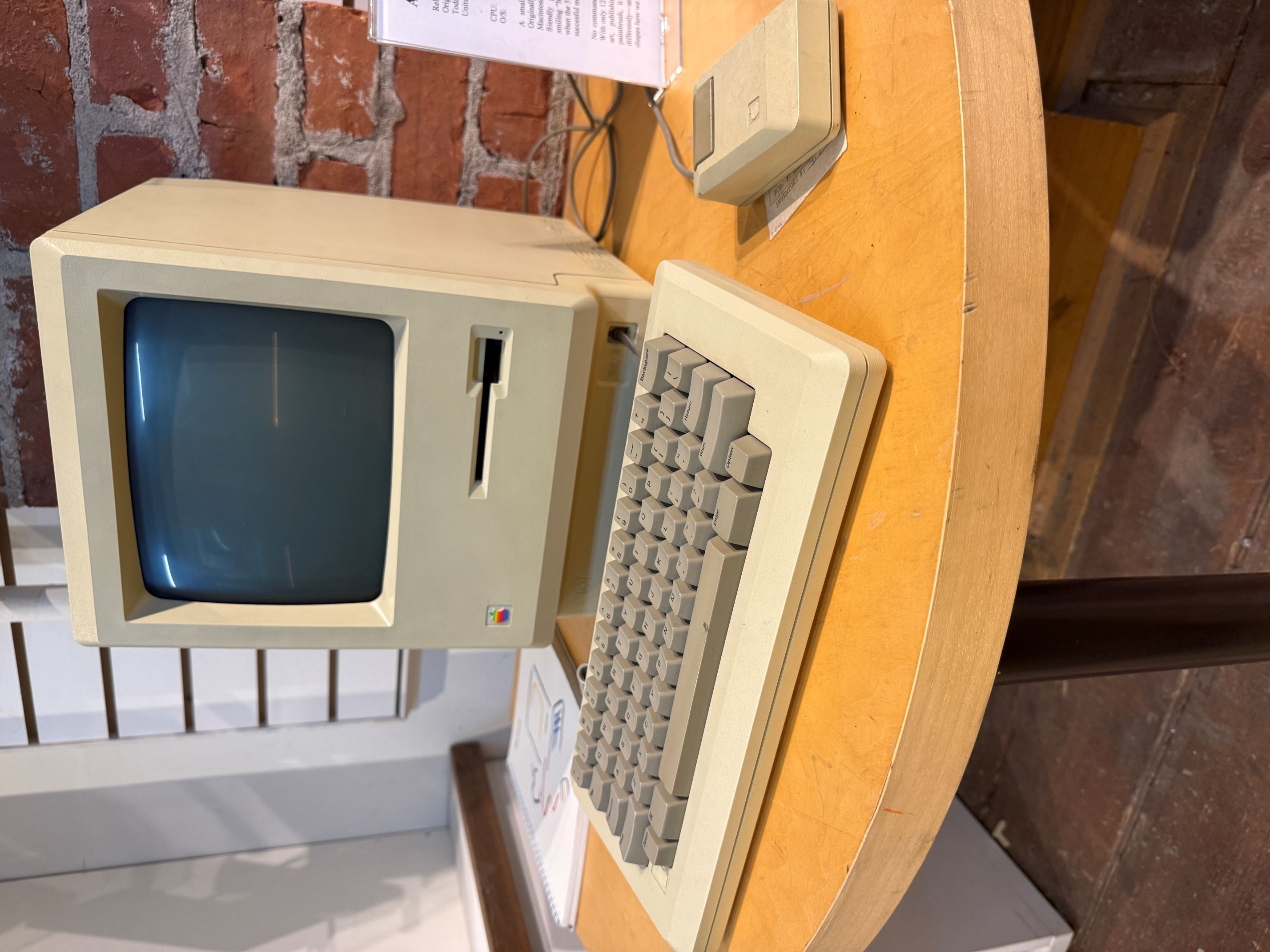
Apple Macintosh 128K
A small beige box that changed the world
The original Macintosh brought computing to life with a friendly graphical user interface and a smiling "hello." Rebranded the Macintosh 128K when the 512K was released, it was the first successful mass-market computer to feature a GUI.
No command lines — just point, click, and create. With only 128K of memory, it powered big ideas: art, publishing, and design. Like a digital paintbrush, it invited ordinary people to think differently — and sparked a revolution that still shapes how we interact with computers today. Over 500,000 units were sold.
Book a free 30-minute guided tour.
We’ll walk you through the collection, share the stories behind the machines, and answer any questions. Perfect for school groups, tech enthusiasts, and curious visitors.
Have a piece of computing history?
We’re always looking for additions to the collection. If you have a vintage computer, peripheral, or software gathering dust, we’d love to hear from you.